
Views: 46 Author: Elena Publish Time: 2026-03-25 Origin: www.fuchun-casting.com


In the field of precision casting, quality is not merely a final checkpoint but a comprehensive philosophy that permeates every stage of production. Precision castings, known for their complex geometries and stringent dimensional accuracy, demand a meticulous approach to quality control. For foundries, ensuring the reliability of these components requires a systematic strategy that integrates inspection, process management, and continuous improvement.
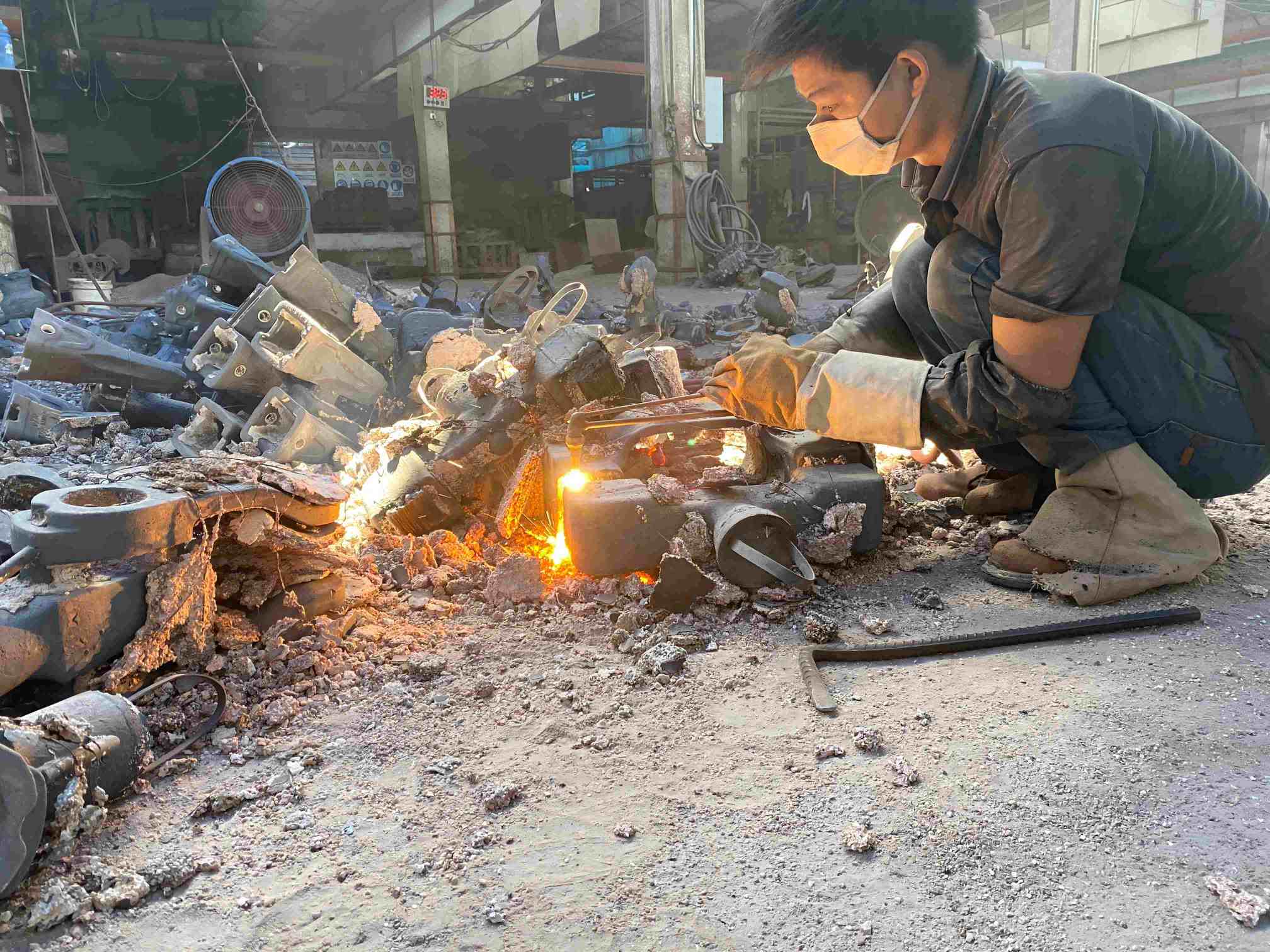
Ⅰ. At the heart of this strategy lies casting quality inspection, a critical process that serves three fundamental functions.
First, it provides essential quality information to both production and management departments, enabling data-driven decision-making and real-time adjustments to manufacturing parameters. Second, it forms the basis for quality management activities by identifying areas that require corrective action, thereby guiding improvement projects. Third, and most importantly, it acts as the final guarantor of product integrity, ensuring that every casting meets the required standards before reaching the customer. Inspection, however, is not an isolated activity; it is grounded in clear criteria, including casting drawings, process documentation, relevant industry standards, and agreed-upon technical conditions for delivery and acceptance.
Ⅱ. True quality control in a foundry extends far beyond inspection alone.
It is embedded within a framework of total quality management, which encompasses two interconnected components: quality control during production and quality assurance throughout the organization. This system operates under the premise that the castings technical requirements must be not only clearly defined but also comprehensively and reasonably integrated into every phase of manufacturing. From pattern design to final finishing, each step is governed by a commitment to consistency and excellence.
The foundry industry presents unique challenges in this regard. Its production is characterized by a high number of process steps, strong interdependence between operations, and a wide array of variables that can influence the final outcome. Factors such as wax injection parameters, shell building conditions, melting temperature, and pouring techniques all introduce potential sources of variability. These variables are often complex and difficult to control, and any deviation can ultimately manifest as casting defects. Therefore, a proactive approach to defect control is essential. Rather than relying solely on detection and sorting, the focus must be placed on prevention. By identifying root causes and systematically addressing them, foundries can reduce variability and enhance process stability. Quality management in this context becomes a continuous cycle of studying problems, implementing solutions, and refining processes.
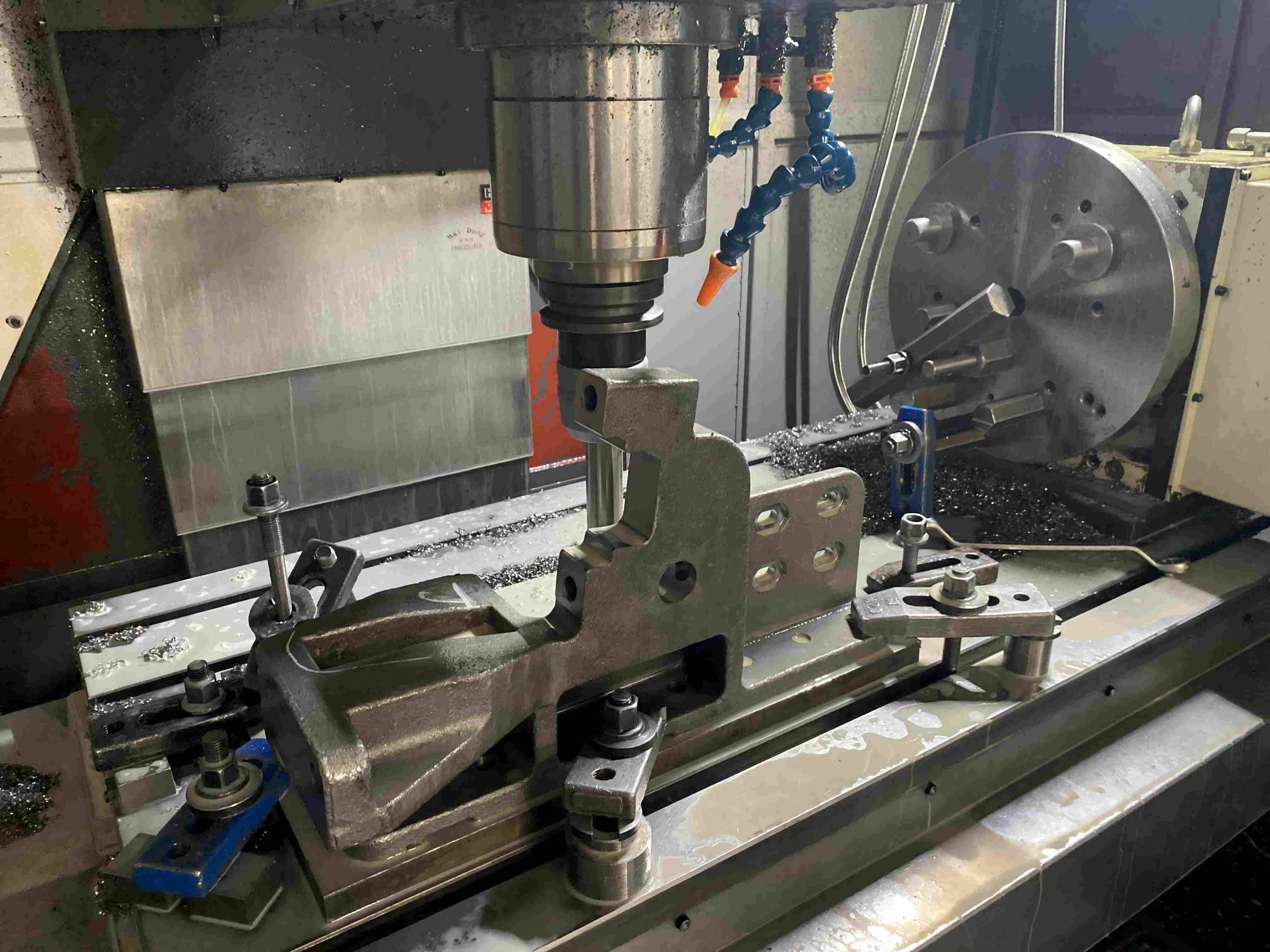
Ⅲ. A truly robust quality system extends into the marketplace.
Moreover, quality control does not end at the factory gate. Through active market research, foundries must continuously monitor the evolving quality expectations of consumers and end-users. Understanding how castings perform in real-world applications provides invaluable feedback that informs process improvements. Equally important is a strong commitment to after-sales service, which not only addresses customer concerns but also reinforces the foundry’s dedication to quality assurance. In this sense, quality management is a comprehensive and integrated activity—one that unites research and development, production oversight, rigorous inspection, and responsive sales and service into a cohesive whole.
In conclusion, controlling the quality of precision castings demands a holistic approach.
It begins with a well-defined inspection framework, is sustained by a culture of total quality management, and is continuously strengthened by market feedback and preventive practices. By embracing this integrated strategy, foundries can consistently deliver castings that meet the highest standards of precision, reliability, and customer satisfaction.


