
Views: 43 Author: Elena Publish Time: 2026-08-07 Origin: Site


Stainless steel precision casting is a near‑net‑shape manufacturing process that produces high‑integrity components for industries such as aerospace, chemical processing, medical devices, and food equipment. The mechanical properties and subsequent machining requirements of these castings are critical factors that determine their service life, reliability, and overall cost‑effectiveness. This article discusses the key aspects of mechanical behaviour and practical machining considerations, with particular reference to the capabilities of leading precision casting china manufacturers and what end‑users should expect from a reliable Precision Casting Supplier.
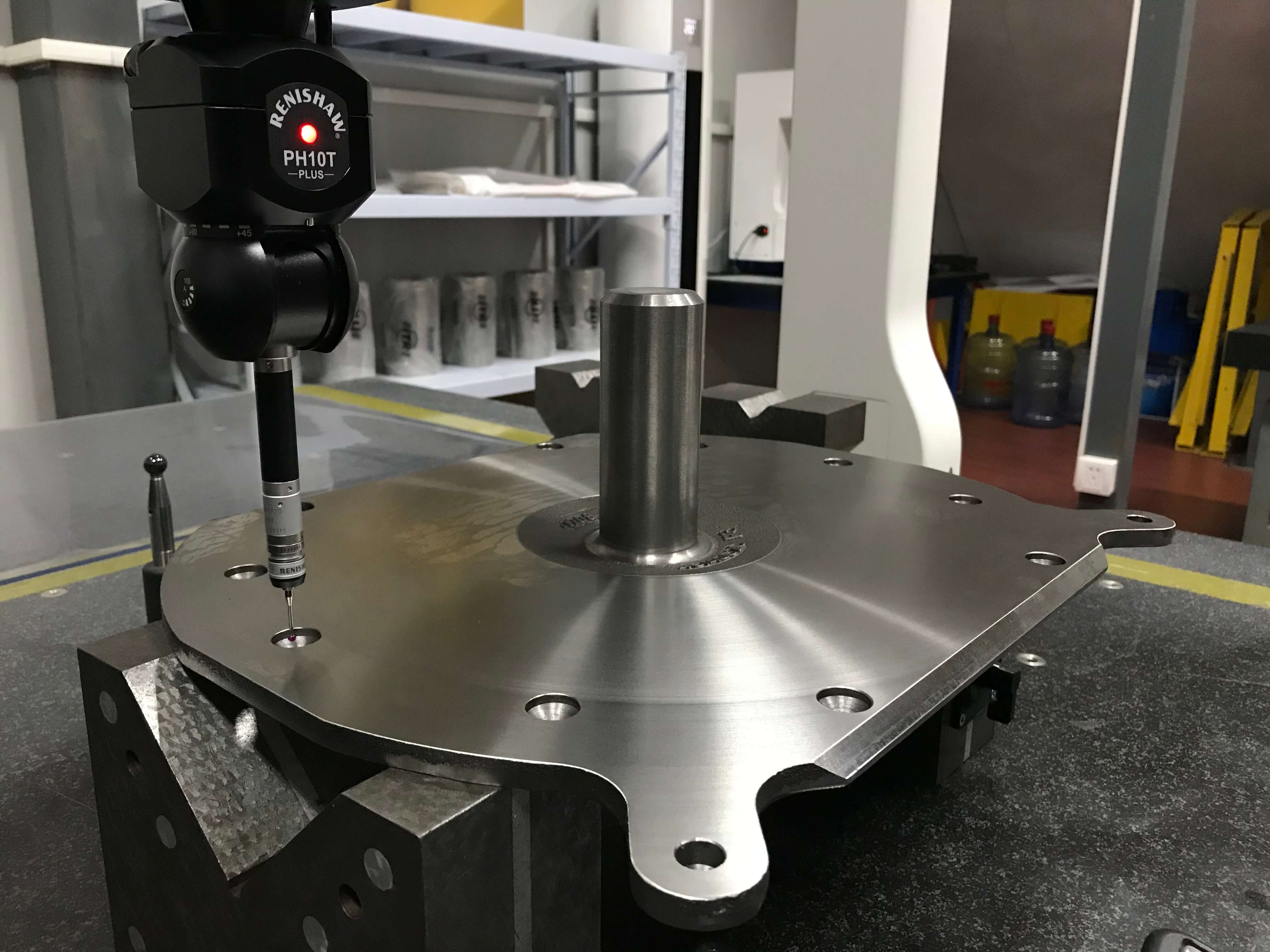
Mechanical Properties of Stainless Steel Precision Casting
The mechanical properties of stainless steel precision castings are generally superior to those of grey cast iron, but they are somewhat lower than those of wrought stainless steel products due to the inherent solidification structure and possible micro‑porosity. Nevertheless, investment casting can achieve excellent tensile strength, yield strength, ductility, and impact resistance, especially when proper alloy selection and process control are implemented.
One of the most important factors influencing mechanical properties is the pouring temperature. During the process of stainless steel precision casting, the temperature must be carefully selected to guarantee that the molten metal has good fluidity during transfer from the ladle to the mould cavity. The actual pouring temperature is determined according to the transfer distance, the cooling conditions along the runner, and the required flow rate. A higher temperature improves fillability, but it also increases the risk of hot tearing and grain coarsening. For small‑diameter ingots or thin‑walled Precision Casting Parts, the transition zone is narrow, and the resulting as‑cast structure is fine‑grained, which contributes to good mechanical properties. In general, a pouring temperature in the range of 715 °C to 740 °C (for certain stainless grades) provides adequate fluidity and minimises bright‑crystal formation, though this temperature range may vary depending on the specific alloy (e.g., martensitic, austenitic, or duplex stainless steels).
Stainless steel precision castings have a relatively low crack tendency when compared to some high‑carbon alloys, but they are still susceptible to hot tearing if the mould design does not allow proper contraction. To mitigate this, the alloy must have good exhaust capability and shrinkage compensation. Creating directional solidification and sequential crystallisation conditions is essential to improve the density of the final product. In practice, pouring temperatures are often kept on the high side to ensure complete mould filling, but this is balanced by controlling the shell temperature and using chills or risers to feed the solidifying shrinkage. As a result, well‑designed stainless steel precision castings exhibit tensile strengths ranging from 450 MPa to over 1000 MPa, depending on the grade, with elongation typically between 10 % and 30 % for austenitic grades.
Machining Requirements for Stainless Steel Precision Castings
Although stainless steel precision casting produces near‑net shapes, most Precision Casting Parts still require some degree of machining to achieve final dimensional tolerances, surface finishes, or specific features such as threaded holes, sealing faces, and mating diameters. However, machining stainless steel castings presents several challenges that are distinct from machining carbon steels or cast irons.
First, the fluidity of molten steel is relatively poor compared to that of cast iron, which means that during the casting process, the metal may not readily fill thin sections. To avoid cold shuts or misruns, the minimum wall thickness of cast steel parts is usually kept at no less than 8 mm unless advanced simulation and gating designs are employed. This minimum thickness also affects subsequent machining because thicker sections require more material removal and generate higher cutting forces.
Second, stainless steels have a strong tendency to work‑harden during cutting. The austenitic structure (e.g., 304, 316) is particularly notorious for rapid strain hardening, which causes rapid tool wear and can lead to poor surface integrity if machining parameters are not optimised. Therefore, machining of stainless steel precision castings demands:
- Use of sharp, positive‑rake carbide or ceramic tools with wear‑resistant coatings (TiAlN, AlCrN).
- Lower cutting speeds (around 60‑120 m/min for turning) and moderate feed rates to minimise work‑hardening.
- Abundant coolant supply to reduce thermal damage and flush away chips, as stainless steels have low thermal conductivity and tend to overheat the tool edge.
- Rigid fixturing to suppress vibration, given the high cutting forces.
Additionally, the presence of surface scale or oxide layers from the casting process can be abrasive. Pre-machining operations such as grinding or sandblasting are often performed to remove the skin before final finishing. It is also important to consider that the cast structure may have slight porosity or non‑metallic inclusions, which can affect tool life unpredictably, so consistent quality from the foundry is paramount.
Gating System and Its Influence on Machinability
The gating system of stainless steel precision casting is usually kept simple to avoid turbulence and oxide entrapment. However, the section sizes of runners and risers are typically larger than those used for cast iron because stainless steel shrinks more and requires better feeding. A well‑designed gating system ensures that the casting is sound and free of internal voids, which directly improves machinability – sound castings produce consistent chip formation and reduce the risk of tool breakage.
When sourcing from a precision casting china foundry, it is advisable to review their process documentation regarding pouring temperature, shell preheating, and gating design. A competent Precision Casting Supplier will also provide machinability guidelines and may even offer semi‑finished castings with critical surfaces already machined to reduce your in‑house processing time. By collaborating with such suppliers, manufacturers can achieve optimal performance from stainless steel precision castings while controlling overall production costs.
Conclusion
In summary, stainless steel precision casting offers a combination of strength, corrosion resistance, and design flexibility that is hard to match by other processes. Its mechanical properties are strongly influenced by pouring temperature, solidification rate, and alloy composition, while machining requires careful attention to tooling, speeds, feeds, and cooling. Understanding these requirements helps engineers specify the right casting grade and finish allowances. With the expertise of experienced precision casting china suppliers, you can obtain high‑quality Precision Casting Parts that meet demanding specifications and are ready for efficient secondary operations, ultimately ensuring reliable performance in service.


