
Views: 39 Author: Elena Publish Time: 2026-08-25 Origin: www.fuchun-casting.com


Surface treatment is a broad term that encompasses various techniques used to modify the surface of a material-usually metal-to achieve properties that differ from those of the underlying substrate. These treatments alter the mechanical, physical, or chemical characteristics of the outermost layer, thereby enhancing corrosion resistance, wear resistance, aesthetic appearance, electrical conductivity, or adhesion for subsequent coatings. In industrial practice, surface treatment is performed in dedicated areas known as a surface treatment workshop, where specialised equipment and controlled environments ensure consistent quality. The overall surface treatment processes can be categorised into three main groups: electroplating, coating (painting or spraying), and chemical conversion coatings. Each method serves specific purposes and is selected based on the material, the required performance, and cost considerations.
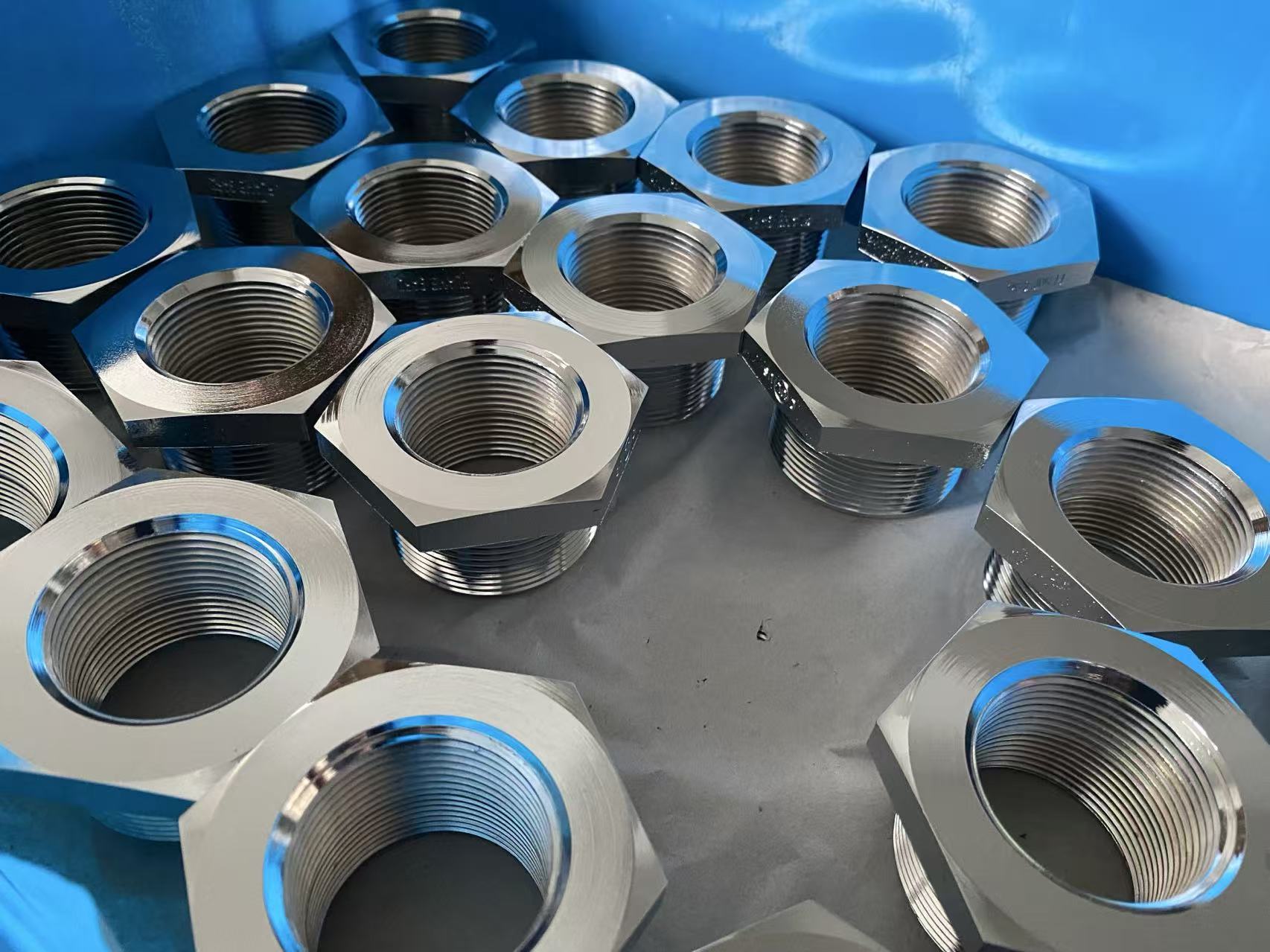
1. Surface Treatment Overview
The primary purpose of any surface treatment is to protect the base metal from environmental degradation, reduce friction, improve solderability, or provide decorative finishes. For instance, electroplating involves depositing a thin layer of another metal – such as zinc, copper, chromium, nickel, tin, or silver – onto the work piece through an electrolytic cell. This layer acts as a sacrificial barrier (e.g., galvanised zinc) or a noble protective coating (e.g., nickel-chrome plating). Coating techniques, on the other hand, apply organic or inorganic films via liquid painting, electrostatic powder spraying, or thermal spray processes. These coatings seal the surface and often provide colour and texture.
Chemical treatment, however, is distinct because it creates a conversion layer through a chemical reaction between the metal surface and a reactive solution, without external electrical current. This layer is an integral part of the metal surface, not just an overlay. The chemical treatment definition can therefore be stated as: a process in which a metal surface is converted into a thin, adherent film of a compound (oxide, phosphate, or other salt) by immersion in or spraying with a reactive chemical bath, thereby improving corrosion resistance, paint adhesion, or lubricity. This definition underscores that the film is chemically bonded to the substrate, offering excellent durability.
2. Common Chemical Treatment Methods
Among the many chemical conversion processes, three are most widely used in industry: blackening (or black oxide), phosphating, and nickel‑phosphorus plating (electroless nickel). Each has its own mechanism, application, and limitations.
2.1 Blackening (Black Oxide Treatment)
Blackening is a traditional and cost‑effective method for producing a dark, anti‑reflective oxide film on steel, stainless steel, copper, and zinc alloys. The principle is simple: the metal is reacted with an oxidising alkaline solution to form magnetite (Fe₃O₄) on the surface. This oxide layer does not provide high corrosion resistance by itself, but it absorbs oil or wax sealers that effectively block moisture and air, thus offering moderate rust prevention. The typical blackening process involves immersing parts in a hot sodium hydroxide and sodium nitrite bath at temperatures around 135 °C to 155 °C for a short duration-usually 10 to 30 minutes. The exact time depends on the alloy composition; for low‑carbon steel, this hot alkaline method yields a uniform deep black finish, whereas the newer room‑temperature blackening formulations are less effective on such steels because they cannot generate enough oxide thickness at lower temperatures.
Blackening is extensively used for fasteners, tools, gears, and optical components because it adds minimal dimensional change and provides a matte appearance that reduces light reflection. In a typical surface treatment workshop, blackening lines are equipped with heating tanks, rinsing stations, and oil impregnation baths to ensure a complete process sequence.
2.2 Phosphating (Phosphate Conversion Coating)
Phosphating is another chemical treatment that produces a crystalline phosphate layer on iron, steel, zinc, or aluminium surfaces. It is achieved by immersing the workpiece in a dilute phosphoric acid solution containing zinc, manganese, or iron phosphate salts. The chemical reaction forms an insoluble phosphate film that is porous and slightly crystalline. The primary purposes of phosphating are: (1) to provide a base for subsequent painting or powder coating, as the porous structure mechanically interlocks with the paint, dramatically improving adhesion and corrosion resistance of the paint system; (2) to offer temporary corrosion protection during storage or transport; and (3) to reduce friction and prevent galling in cold‑forming operations such as wire drawing or tube bending.
Phosphate coatings are classified by weight – light (1‑5 g/m²) for painting bases, and heavy (10‑40 g/m²) for oil‑retention and anti‑wear uses. The process typically involves cleaning, rinsing, activation (using colloidal titanium salts), phosphating bath immersion at 50‑95 °C for 5‑20 minutes, then final rinsing and sealing. Phosphating is widely adopted by many chemical treatment companies specialising in metal pretreatment, as it is reliable, economical, and compatible with automated conveyor systems.
2.3 Nickel‑Phosphorus Plating (Electroless Nickel)
Unlike the previous two, nickel‑phosphorus plating – often called electroless nickel (EN) – is an auto-catalytic chemical reduction process that deposits a uniform nickel‑phosphorus alloy layer onto a variety of substrates, including carbon steel, aluminium, and copper alloys, without using an external power source. The workpiece is immersed in a hot aqueous solution containing nickel salts (e.g., nickel sulphate), a reducing agent (typically sodium hypophosphite), complexing agents, and stabilisers. The reducing agent donates electrons to reduce nickel ions to metallic nickel, while simultaneously phosphorus is co-deposited, yielding a Ni-P alloy with phosphorus content ranging from 3 % to 13 %. Because the plating bath completely wets all surfaces, the coating thickness is exceptionally uniform even on complex shapes, blind holes, and internal threads-a significant advantage over electroplating.
The resulting nickel‑phosphorus layer is hard (up to 600‑700 HV as-plated, and can be heat-treated to 1000-1100 HV), highly corrosion‑resistant, and provides excellent lubricity. It effectively isolates the steel substrate from corrosive media, thus serving as an outstanding anti‑corrosion barrier. The process is widely used for automotive components, hydraulic cylinders, moulds, and electronic housings. Its main drawback is the higher cost of chemicals and the need for precise bath control (pH, temperature, and replenishment) to maintain deposition rate and phosphorus percentage.
3. Practical Considerations and Industrial Context
In a professional surface treatment workshop, these chemical processes are integrated into a full production line that includes pre-treatment (degreasing, pickling, rinsing), the conversion bath, post‑treatment (sealing, drying, and oiling), and effluent management. Environmental regulations require careful handling of waste solutions-especially nitrites, phosphates, and heavy metals-so modern chemical treatment companies invest in closed‑loop systems and neutralisation plants.
The choice among these methods depends on the application:
- Blackening is cheapest and suitable for indoor components requiring a dark appearance and minimal corrosion protection (when oiled).
- Phosphating is preferred as a paint base or for cold‑forming lubricants.
- Electroless nickel is chosen for high‑performance parts needing hard, wear‑resistant, and uniformly coated surfaces, even if cost is higher.
Moreover, the chemical treatment description for each process must specify the bath composition, operating parameters, and quality control tests (e.g., coating weight, porosity, salt spray resistance) to ensure reproducibility. When selecting a supplier, it is wise to partner with established chemical treatment companies that offer not only chemicals but also technical support and troubleshooting, because the success of any chemical treatment relies heavily on proper bath maintenance and pretreatment.
4. Conclusion
In summary, surface treatment-whether by electroplating, coating, or chemical conversion is essential for extending the service life and functionality of metal components. Chemical treatment, specifically, creates a reactive layer that is integral to the substrate, with blackening, phosphating, and nickel‑phosphorus plating being the most prominent methods. Each has distinct mechanisms, benefits, and limitations, and their selection should be guided by performance requirements, cost, and environmental constraints. A well‑equipped surface treatment workshop that follows best practices and works with reputable chemical treatment companies can consistently deliver high-quality finishes that meet the most demanding industrial standards. Understanding the chemical treatment definition and the nuances of each surface treatment processes empowers engineers and manufacturers to make informed decisions that optimise both product quality and production efficiency.


